
Creative_expression_for_unique_spaces_with_spingalaxys_nz_and_inspiring_interior
- Creative expression for unique spaces with spingalaxys.nz and inspiring interior visions
- The Power of Texture and Materiality
- Enhancing Ambiance Through Material Choices
- Color Psychology and its Impact on Interior Spaces
- Utilizing Color to Define Spaces
- The Importance of Lighting in Interior Design
- Layering Light for Optimal Ambiance
- Creating a Cohesive Style with Accessories
- Beyond Trends: Designing for Longevity and Personal Connection
Creative expression for unique spaces with spingalaxys.nz and inspiring interior visions
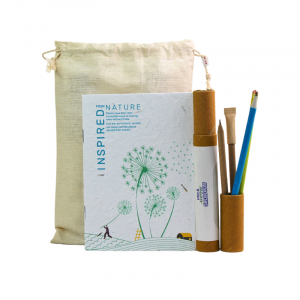
spingalaxys.nz. Creating a beautiful and functional living space is a desire shared by many, and finding the right elements to achieve that vision can be a journey. The choices are vast, ranging from broad design styles to specific pieces of décor. For those seeking distinctive and inspiring interior solutions, offers a curated selection focused on unique expression and transforming spaces. Their approach centers around providing items that spark creativity and allow individuals to personalize their environments in meaningful ways, reflecting their individual tastes and lifestyles.
The modern home is often a canvas for self-expression, a place where functionality and aesthetics must harmonize. Achieving this balance requires careful consideration of color palettes, textures, and the overall flow of a room. It's about more than just filling a space with furniture; it's about crafting an atmosphere that fosters comfort, inspires productivity, and promotes well-being. Finding pieces that resonate with your personal style and complement your existing décor is key, and platforms like aim to simplify this process by offering a thoughtfully chosen collection.
The Power of Texture and Materiality
When it comes to interior design, texture plays a vital role in creating depth and visual interest. It's the element that invites touch and engages the senses, transforming a room from feeling flat and sterile to warm and inviting. Different textures – rough, smooth, soft, hard – evoke different emotions and contribute to the overall mood of a space. Incorporating a variety of textures, such as woven fabrics, natural wood, and metallic accents, can add layers of complexity and sophistication. The interplay of light and shadow on these textures further enhances their impact, creating a dynamic and visually appealing environment. Consider the impact of a plush velvet sofa against a backdrop of exposed brick, or the contrast between a sleek glass table and a rustic wooden floor. These combinations create visual tension and draw the eye, making a space feel more intentional and curated.
Enhancing Ambiance Through Material Choices
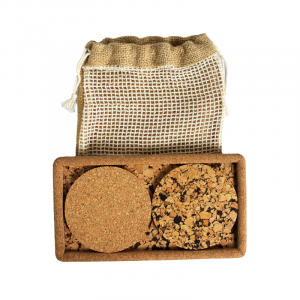
The materials used in interior design are not merely functional; they also communicate a specific aesthetic and contribute to the overall ambiance. Natural materials like wood, stone, and linen bring a sense of warmth and authenticity to a space, while synthetic materials like metal and plastic can offer a more modern and minimalist feel. The choice of materials should be guided by both personal preference and the intended function of the space. For example, a kitchen might benefit from durable and easy-to-clean surfaces, while a bedroom might prioritize soft and cozy materials. Sustainability is also an increasingly important consideration, with many homeowners opting for eco-friendly materials that minimize their environmental impact. Investing in high-quality materials can not only enhance the aesthetic appeal of a space but also ensure its longevity and durability.
| Wood | Warm, Natural, Rustic | Moderate to High | Moderate to High |
| Metal | Modern, Industrial, Sleek | High | Moderate to High |
| Stone | Classic, Elegant, Luxurious | High | High |
| Linen | Casual, Relaxed, Coastal | Moderate | Moderate |
Careful consideration of material combinations is crucial for creating a cohesive and visually appealing interior. Mixing contrasting textures and materials can add depth and interest, while sticking to a limited palette can create a sense of harmony and unity. The key is to experiment and find combinations that reflect your personal style and create the desired ambiance within your space.
Color Psychology and its Impact on Interior Spaces
The colors we surround ourselves with have a profound impact on our mood, emotions, and even our behavior. Understanding the principles of color psychology is essential for creating interior spaces that are not only aesthetically pleasing but also promote well-being and enhance functionality. Warm colors, such as reds, oranges, and yellows, tend to evoke feelings of energy, excitement, and warmth. They can be energizing and stimulating, making them ideal for social areas like living rooms and dining rooms. However, it’s important to use warm colors in moderation, as excessive exposure can be overwhelming or even agitating. Cool colors, such as blues, greens, and purples, have a calming and soothing effect. They promote relaxation, tranquility, and focus, making them well-suited for bedrooms, bathrooms, and home offices. Neutrals, such as whites, grays, and beiges, provide a versatile backdrop that can be easily paired with other colors. They create a sense of spaciousness and simplicity, allowing other elements in the room to take center stage.
Utilizing Color to Define Spaces
Color can be used strategically to define different areas within an open-concept space. For example, painting an accent wall in a bold color can visually separate a living area from a dining area. Similarly, using different color palettes in adjacent rooms can create a sense of distinction and flow. Consider the existing architectural features of a space, such as windows and doorways, and use color to highlight or downplay them. A dark-colored wall can make a small room appear cozier, while a light-colored wall can make a large room feel more inviting. Experimenting with different color combinations is key to finding the perfect palette for your space. Online tools and color swatches can be helpful in visualizing different options before committing to a final decision. Remember to consider the amount of natural light in a room when selecting colors, as light can significantly alter the way colors appear.
- Blue: Calming, Peaceful, Trustworthy
- Green: Natural, Harmonious, Refreshing
- Yellow: Optimistic, Energetic, Cheerful
- Red: Passionate, Exciting, Bold
- Gray: Sophisticated, Neutral, Balanced
Beyond the immediate emotional response, color choices influence how we perceive the size and shape of a room. Utilizing these principles thoughtfully can create a more harmonious and functional living environment, tailored to your individual needs and preferences.
The Importance of Lighting in Interior Design
Lighting is often considered the fourth dimension of interior design, and for good reason. It has the power to transform a space, impacting its mood, functionality, and overall aesthetic appeal. Effective lighting design goes beyond simply providing illumination; it involves layering different types of light to create a balanced and inviting atmosphere. Ambient lighting, also known as general lighting, provides overall illumination to a room. It’s typically achieved through ceiling fixtures, recessed lights, or chandeliers. Task lighting focuses light on specific areas where tasks are performed, such as a desk or kitchen countertop. This type of lighting is essential for functionality and preventing eye strain. Accent lighting highlights specific features in a room, such as artwork or architectural details. This type of lighting adds depth and dimension, drawing attention to focal points and creating visual interest.
Layering Light for Optimal Ambiance
Combining these three types of lighting is crucial for creating a well-lit and versatile space. For example, in a living room, you might use ambient lighting to provide overall illumination, task lighting to illuminate a reading nook, and accent lighting to highlight artwork or a fireplace. Dimmer switches are an essential component of any good lighting design, allowing you to adjust the intensity of the light to suit different activities and moods. Consider the color temperature of your light bulbs as well. Warm white light creates a cozy and inviting atmosphere, while cool white light is more energizing and suitable for task-oriented spaces. Natural light should also be maximized whenever possible. Sheer curtains or blinds can allow natural light to filter into a room while still providing privacy.
- Ambient Lighting: Provides overall illumination
- Task Lighting: Focuses light on specific areas
- Accent Lighting: Highlights features
- Natural Light: Maximized for a bright and airy feel
The thoughtful integration of different lighting techniques can dramatically enhance the beauty and functionality of any interior space, creating an environment that is both visually appealing and conducive to relaxation and productivity.
Creating a Cohesive Style with Accessories
Accessories are the finishing touches that bring a room to life, adding personality, texture, and visual interest. They are the elements that transform a house into a home, reflecting your individual style and creating a sense of warmth and comfort. Accessories can include artwork, rugs, pillows, throws, vases, candles, and decorative objects. The key to successful accessorizing is to choose items that complement the overall style of the room and enhance its existing features. Avoid cluttering a space with too many accessories; instead, focus on selecting a few key pieces that make a statement. Consider the color palette of the room and choose accessories that coordinate with or complement those colors. Varying the textures and sizes of accessories can add visual interest and create a more dynamic look. For example, a plush velvet pillow can contrast beautifully with a rough linen throw.
Ultimately, accessorizing is a personal process. It's about surrounding yourself with items that you love and that bring you joy. Don’t be afraid to experiment and express your creativity. The goal is to create a space that feels authentic and reflects your unique personality. Resources like can offer inspiration and provide a curated selection of accessories to help you achieve your desired look.
Beyond Trends: Designing for Longevity and Personal Connection
While staying informed about current design trends can be inspiring, building a home that truly resonates with you means prioritizing longevity and personal connection over fleeting fads. A truly successful interior design isn't about replicating a magazine spread; it's about creating a space that reflects your lifestyle, values, and experiences. This approach emphasizes quality over quantity, investing in pieces that will last for years to come and that hold sentimental value. Consider incorporating family heirlooms, travel souvenirs, or handmade items into your décor to add a personal touch and create a sense of history. Think about how you want to feel when you’re in a particular space, and choose design elements that evoke those emotions. A room designed for relaxation should prioritize comfort and tranquility, while a space designed for creativity should be energizing and inspiring.
The beauty of this approach lies in its authenticity and enduring appeal. A home that is designed with personal connection in mind will always feel more inviting and fulfilling than one that simply follows the latest trends. It’s a space that tells a story, reflects your unique personality, and provides a sanctuary from the outside world. Exploring platforms like can aid this, offering unique elements to infuse personality into your carefully considered space, creating a home not just lived in, but deeply loved.